Lewisham Council rules for public memorial flowers in SE26
Posted on 11/10/2026
Lewisham Council Rules for Public Memorial Flowers in SE26
If you are trying to leave flowers for someone who has died, the last thing you want is confusion about where they can go, how long they can stay, or whether they will be removed. That is exactly why understanding Lewisham Council rules for public memorial flowers in SE26 matters. In a moment that already feels heavy, a clear, respectful plan helps you avoid distress, wasted trips, and awkward misunderstandings with the council or local land managers.
This guide explains the practical side of public memorial flowers in Sydenham and the wider SE26 area: what councils usually expect, how to place flowers safely and respectfully, what tends to happen if flowers are left in public spaces, and how to choose arrangements that are appropriate for remembrance. It also covers common mistakes, useful options, and a simple step-by-step approach so you can act with confidence rather than guesswork.
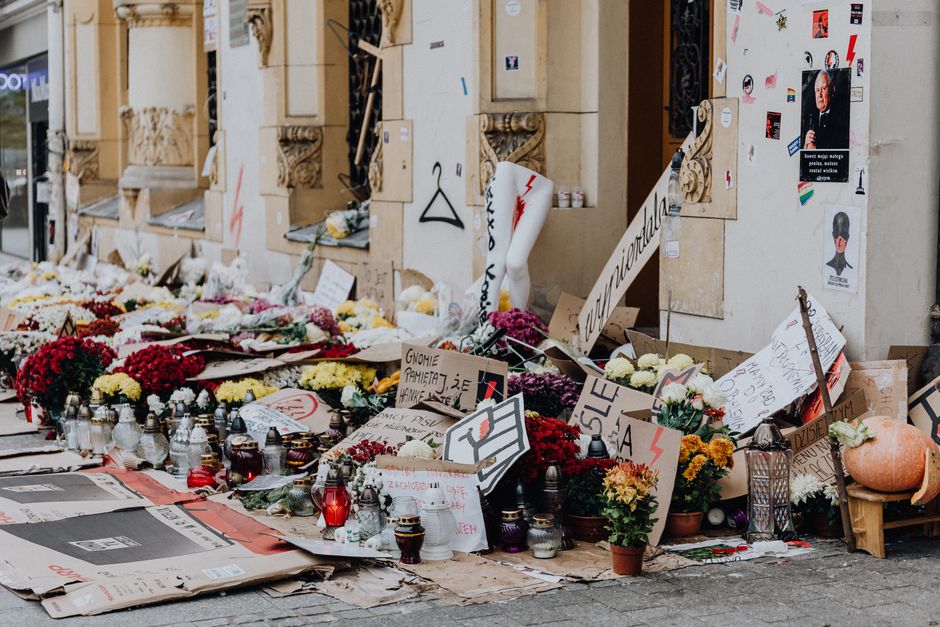
Table of Contents
- Why Lewisham Council rules for public memorial flowers in SE26 Matters
- How Lewisham Council rules for public memorial flowers in SE26 Works
- Key Benefits and Practical Advantages
- Who This Is For and When It Makes Sense
- Step-by-Step Guidance
- Expert Tips for Better Results
- Common Mistakes to Avoid
- Tools, Resources and Recommendations
- Law, Compliance, Standards, or Best Practice
- Options, Methods, or Comparison Table
- Case Study or Real-World Example
- Practical Checklist
- Conclusion
- Frequently Asked Questions
Why Lewisham Council rules for public memorial flowers in SE26 Matters
Memorial flowers are deeply personal. They can mark a sudden loss, a meaningful anniversary, or simply a place where someone feels close to the person they miss. In a neighbourhood like SE26, though, a public tribute is not just a private gesture. It sits in a shared space, and that brings practical responsibilities.
Lewisham Council rules for public memorial flowers in SE26 matter because public land has to work for everyone. Footpaths need to stay clear. Green spaces need maintenance. Roadside memorials, tree bases, railings, and park entrances can become cluttered quickly if flowers are left without thought. To be fair, most people who leave flowers are not trying to cause problems. They are just trying to do the right thing in a difficult moment. But grief and public space do not always fit neatly together.
There is also a dignity issue. A tidy, well-placed tribute tends to be treated with more care than a bouquet left in a random spot where it could be blown away, trampled, or removed during routine maintenance. That is the part many people miss. A little planning can make the tribute more lasting, more respectful, and less likely to be disturbed.
In SE26, practical awareness is especially important because the area includes busy roads, green spaces, residential streets, and places where people naturally pause and remember. Even something as small as a hand-tied bunch can create a hazard if it blocks a narrow pavement or sits where cyclists and pedestrians need room. Not glamorous, but true.
Key takeaway: the safest memorial flower tribute is usually the one that is placed with permission, kept tidy, and chosen to suit the location rather than the emotion alone.
How Lewisham Council rules for public memorial flowers in SE26 Works
There is no single universal rule that covers every public memorial flower tribute in every location. In practice, how flowers are handled depends on who manages the space: the council, Transport for London, a housing provider, a cemetery, a churchyard, a park authority, or another landowner. That is why the question is never just "Can I leave flowers here?" It is also "Who looks after this place?"
For Lewisham Council-managed land, the usual expectation is that anything left in a public area should not cause obstruction, hazard, or nuisance. Flowers left on verges, around lamp posts, on pavements, near junctions, or in busy park entrances may be removed if they interfere with maintenance or public safety. In quieter spots, a tribute may be left for a time, but councils often retain the right to clear items later. That can feel abrupt, especially if the flowers were left with real feeling behind them. Still, public maintenance has to keep moving.
In a day-to-day sense, the process tends to work like this:
- You identify the exact location where you want to leave the flowers.
- You check whether it is public land and who manages it.
- You make sure the tribute will not block access, sightlines, drainage, or routine maintenance.
- You keep the tribute modest and secure enough for outdoor conditions.
- You accept that the item may not stay indefinitely unless there is formal permission or a dedicated memorial area.
That last point matters a lot. Public memorial flowers are often temporary by nature. They are a gesture, not always a permanent installation. If you need something longer lasting, a different approach may be better, such as a dedicated memorial site, a cemetery tribute, or a place with an agreed system for remembrance.
There is a sensible middle ground too. Some families choose to leave flowers briefly at a meaningful place, then collect them later or replace them with a more durable tribute. Others arrange a timed delivery to a home, a chapel, or a funeral venue instead. If you are comparing tribute options, you may also find funeral flowers in Sydenham SE26 useful for choosing something respectful and suitable to the occasion.
Key Benefits and Practical Advantages
Following the right approach to public memorial flowers is not just about avoiding trouble. It brings some genuine benefits, and they are practical, not abstract.
- Less risk of removal: a well-placed tribute is less likely to be cleared quickly during routine maintenance.
- More dignity: flowers placed carefully tend to look intentional and cared for, rather than abandoned.
- Better safety: you reduce the chance of blocking footpaths, road edges, or accessible routes.
- Less stress for family and friends: nobody wants to return and find a tribute moved or damaged.
- More suitable for the setting: certain flowers and forms work better outdoors than others.
- Clearer communication: if permissions are needed, asking early usually saves time later.
There is another advantage people often overlook: a respectful tribute can help the wider community respond more kindly. Neighbours usually notice when flowers are neat, modest, and well cared for. A small arrangement at the right place can feel communal rather than intrusive. That matters in a local area, where people often understand loss in a very immediate way.
If you are looking for something simple and appropriate, white or soft-toned arrangements often suit memorial settings well. For example, a restrained bouquet from the white flowers collection or a gentle tribute from the sympathy range may feel more fitting than a bright celebratory display. That is not a rule, just a practical instinct many families share.
Who This Is For and When It Makes Sense
This guidance is for anyone who wants to leave memorial flowers in a public place in or around SE26. That includes family members, friends, neighbours, colleagues, and community groups. It also applies if you are arranging flowers on behalf of someone else and want to get it right first time, which is, let's face it, usually the safest way to handle it.
It makes sense to think about the rules before you act if:
- you want to leave flowers at the scene of a death or accident;
- you plan to place tributes at a roadside or junction;
- you are considering flowers at a park bench, tree, gate, or memorial area;
- you want to avoid the flowers being removed during cleaning or maintenance;
- you are arranging a coordinated tribute with several people;
- you need flowers for a funeral and want them later moved to a public remembrance spot.
This is also relevant if you are a florist helping customers who ask, quietly, "Will this be okay outside?" That question comes up more often than people think. The answer is usually less about the flowers themselves and more about the location, timing, and how the tribute is presented.
Sometimes the best option is not a public memorial at all. Sometimes it is a funeral arrangement, a sympathy bouquet at home, or a flower tribute that can be displayed in a controlled place. If the flower needs to last, or if weather is likely to be rough, a more robust tribute may be the better call. No shame in that.
Step-by-Step Guidance
If you want to handle public memorial flowers in SE26 sensibly, this is the simplest way to do it.
1. Identify the exact place
Be specific. A road name, park entrance, tree, or memorial point is far easier to assess than a broad area. Ask yourself: is this a pavement, verge, green space, rail edge, or a managed memorial site?
2. Find out who manages the land
Lewisham Council may manage some places, but not all. A churchyard, cemetery, housing estate, or transport location could be under another authority. That distinction matters because the rules can differ a lot, even when the places look similar at street level.
3. Check for obvious safety issues
Stand back and look at the space in daylight if possible. Is there enough room for pedestrians? Will flowers sit near traffic? Could they blow into the road? A tribute that looks fine for ten seconds may become a nuisance after the school run or a windy evening.
4. Choose a suitable tribute
Outdoor memorial flowers need to be stable and not too bulky. Loose petals, fragile wrapping, and tall designs can struggle outside. More compact arrangements, wreaths, sprays, or posies usually travel better and stay neater. If you want a more formal memorial format, the wreaths collection and the sprays collection are often practical starting points.
5. Keep any note short and respectful
A handwritten card or simple message is usually enough. Long messages can be lovely, of course, but in a public setting a concise message often feels more considered. "Forever missed" does the job better than a paragraph written in a car park with a half-dead pen. We have all been there.
6. Place the flowers carefully
Make sure they are stable and not sitting in a way that could topple over or roll into a path. If you are leaving them near a rail or fence, consider how rain and wind will affect them. A few minutes of care now can save a messy return visit later.
7. Decide whether you need follow-up
Some people return after a day or two to tidy the tribute, collect fading flowers, or replace them. Others leave them and let the area be managed normally. Either approach can be respectful, as long as it fits the location and any instructions that apply.
Expert Tips for Better Results
Truth be told, memorial flowers are one of those things that seem simple until the weather, the location, and the practicalities all start getting involved. Here are the details that tend to make the biggest difference.
- Choose sturdier stems for outdoor placement. Carnations, chrysanthemums, lilies, roses, and mixed sympathy flowers often hold up better than very delicate arrangements.
- Keep packaging minimal. Too much wrapping can catch wind and make the tribute look cluttered.
- Think in colour tone, not just flower type. White, soft pink, purple, and muted mixed shades usually feel calm and appropriate for remembrance.
- Use a florist who understands tribute design. A florist used to sympathy work will know how to balance appearance with practicality.
- Plan for weather. A bright morning can turn wet by tea time, and outdoor flowers will show it.
- If several people are contributing, agree the style first. Otherwise the tribute can end up looking a bit all over the place, which is nobody's fault, just life.
A useful rule of thumb is this: the busier the setting, the simpler the tribute should be. In a quiet memorial garden, you may have more freedom. On a roadside corner in SE26, less is usually more. That keeps things dignified and manageable.
If you need a calmer, softer memorial look, consider options such as sympathy flowers or a more focused tribute style like the tributes collection. Those pages can help you compare different remembrance styles without overcomplicating the decision.
Common Mistakes to Avoid
Most problems with public memorial flowers are not dramatic. They are small, avoidable mistakes that add up.
- Leaving flowers where they block access. Even a narrow path can become awkward if a tribute spreads out.
- Assuming every public space allows long-term memorials. It often does not.
- Using fragile arrangements outdoors. Some bouquets are lovely indoors but struggle in open air.
- Ignoring maintenance schedules. If the council or landowner needs to clear an area, unplanned tributes are more likely to be moved.
- Not checking the location carefully. "Near the tree" is not enough if the tree sits in a managed verge or on a shared boundary.
- Making the tribute too large. Bigger is not always more respectful. Sometimes it just looks like clutter.
One of the most common missteps is emotional overreach: people want to show love, so they add more and more. More ribbon, more notes, more objects. In a private space that can work. In public? Not always. A tidy bouquet often says more.
Another issue is timing. Flowers left late at night can be hard to position properly, especially if visibility is poor. If possible, place them in daylight. You will see the ground better, spot hazards sooner, and avoid the awkwardness of returning the next day thinking, "Well, that was a bit wonky."
Tools, Resources and Recommendations
You do not need a long list of specialist tools, but a few practical items make memorial placement easier.
- A simple message card: keeps the tribute personal without adding clutter.
- Securing ribbon or tie: useful if the arrangement is outdoors and needs to stay together.
- Weather-resistant wrapping: helps protect the stems during transport.
- Small waterproof vase or holder: worth considering if the location allows it.
- A phone photo of the location: helps you check the exact spot again later if needed.
- A second pair of eyes: a friend can spot practical issues you may miss in the moment.
For flower choices, it helps to think about the tribute purpose. If the memorial is formal, restrained, or tied to a funeral procession, a dedicated sympathy arrangement is often more suitable than an everyday bouquet. If the tribute needs to be sent quickly and arrive neatly, same-day flower delivery in Sydenham SE26 can be helpful when time is tight. That can matter when a memorial is organised at short notice and there is no room for delay.
It is also sensible to look at care and delivery information before ordering. A tribute that arrives damaged, wilted, or late does not help anyone. A florist's delivery, care, and guarantee pages should give you a better sense of what to expect. If you need extra reassurance about service standards, the site's delivery information, flower care guide, and guarantees are worth a look.
Law, Compliance, Standards, or Best Practice
Because this topic involves public land, it is wise to be careful about wording. The exact Lewisham Council position can depend on the location, the type of space, and the risk created by the tribute. In UK local authority practice, public safety and access are usually the primary concerns. That means memorial flowers may be removed if they create obstruction, cause litter, interfere with maintenance, or present a hazard.
Best practice usually means:
- keeping tributes small and tidy;
- avoiding footway obstruction;
- not attaching items in a way that could damage property;
- respecting any notices, local instructions, or landowner guidance;
- being prepared for seasonal weather, routine maintenance, and eventual removal;
- using a permanent memorial area if the tribute needs to remain for a long time.
There is also a general duty of care in public spaces, which is why anything left behind should be considered through the lens of safety first. A meaningful tribute is still meaningful if it is simple. In fact, simplicity usually helps.
If you are arranging remembrance flowers professionally or on behalf of others, consistency matters too. Flowers for public memorial use should be handled with care from the moment they are prepared to the moment they are placed. A clean finish, fresh stems, and secure wrapping are all part of good practice, not extra frills.
Options, Methods, or Comparison Table
Choosing the right memorial flower approach depends on where the flowers will go and how long they need to last. Here is a practical comparison.
| Option | Best for | Practical upside | Possible drawback |
|---|---|---|---|
| Loose bouquet | Short, informal tribute | Simple and quick | Can blow around or look untidy outdoors |
| Posy | Small public memorial | Compact and respectful | May feel too small for a larger group tribute |
| Wreath | Formal remembrance | Stable, recognisable memorial form | Needs space and may not suit very narrow locations |
| Spray | Funeral or service tribute | Elegant and structured | May be less practical in exposed weather |
| Home delivery instead | Private mourning or early remembrance | Controlled setting, no council issue | Does not mark the public place directly |
In many cases, the best answer is not the biggest arrangement. It is the one that suits the purpose. If the setting is a roadside spot in SE26, a compact sympathy design may be kinder to the space than a large bouquet with lots of loose foliage. If the tribute is part of a funeral, a more formal arrangement from the funeral flowers collection may make more sense.
Case Study or Real-World Example
Imagine a small group of neighbours in SE26 wants to leave flowers near a place where a local resident died unexpectedly. They are upset, and understandably so. The first instinct is to leave a large pile of flowers, candles, and notes right on the pavement edge. It looks heartfelt for about an hour. Then pedestrians start stepping around it, petals scatter in the wind, and one stem ends up partly in the gutter after a passing vehicle sends up spray.
A more workable approach would be slightly different. The group agrees on a single compact wreath and a short message card. They check the exact spot to make sure it does not block the pavement. They choose a sturdier tribute, place it neatly, and return two days later to remove fading flowers. The tribute still feels sincere. In fact, it probably feels more sincere because it is cared for.
That kind of choice is small, but it changes the whole experience. The memorial remains respectful. The area stays usable. No one has to awkwardly tidy it later because it has become a hazard. And the people grieving are left with something that feels considered rather than chaotic. Not perfect, maybe. But better. Much better.
If the family later wants a flower tribute that can be displayed at home or at a service, they could use a softer sympathy design or a remembrance wreath instead of relying on the public space alone. That gives them a way to honour the person without putting all the weight on one roadside gesture.
Practical Checklist
Use this quick checklist before leaving public memorial flowers in SE26:
- Have I checked who manages this space?
- Will the flowers block a path, entrance, or road edge?
- Is this tribute small enough for the location?
- Have I chosen flowers that can cope outdoors?
- Have I kept packaging neat and secure?
- Is the message short, respectful, and suitable?
- Do I know whether the tribute is temporary or likely to be removed later?
- Have I considered whether a funeral tribute, home delivery, or dedicated memorial area would be better?
- Will I be able to return and tidy or collect the flowers if needed?
- Does the arrangement feel calm and appropriate, not crowded or fussy?
If you can tick most of those boxes, you are usually on safe ground. And if a couple are uncertain, that is your cue to pause and rethink before you place anything. A small delay is better than a rushed decision.
Conclusion
Lewisham Council rules for public memorial flowers in SE26 are really about balance: honour the person, respect the space, and keep public safety in mind. That may sound straightforward, but grief can make even small decisions feel complicated. The good news is that a thoughtful, modest tribute usually works better than an oversized one, and a little planning goes a long way.
Whether you are leaving flowers after a loss, arranging a memorial gesture for a neighbour, or choosing something suitable for a funeral connection, the same principle applies. Keep it respectful. Keep it practical. And if in doubt, choose the option that is most dignified for the setting.
Get a free quote today and see how much you can save.
Sometimes the kindest tribute is the one that fits the moment quietly, without needing to shout.
Frequently Asked Questions
Can I leave memorial flowers in a public place in SE26?
You may be able to, but it depends on the exact location and who manages the land. Public spaces can allow short-term tributes, but anything that blocks access or creates a hazard may be removed.
Will Lewisham Council remove flowers left as a memorial?
They may remove flowers if they are in the way, create maintenance issues, or are left in a place not intended for long-term memorials. The practical rule is usually safety and access first.
How long can public memorial flowers stay in place?
That depends on the site. Some tributes remain for a short time, while others are moved during routine cleaning or grounds maintenance. There is rarely a guarantee unless the location specifically allows memorials.
What flowers are best for an outdoor memorial?
Sturdier flowers such as roses, lilies, carnations, and chrysanthemums often hold up better outdoors than very delicate stems. Compact arrangements also tend to work better in wind and rain.
Is a wreath better than a bouquet for a public memorial?
Often, yes, if the tribute needs to sit neatly and stay together outside. Wreaths can be more stable and formal, while bouquets are better for private or short-term remembrance.
Can I attach flowers to a tree or lamppost?
You should be careful with that. Attaching anything to council property or street furniture may not be allowed and can cause damage. It is better to check first or choose a free-standing tribute.
Do I need permission to leave memorial flowers in SE26?
Sometimes you do, especially if the tribute is likely to stay for more than a short period or if the location is sensitive. Public land rules vary, so it is safest to confirm before placing anything.
What should I do if the flowers are removed?
Try not to take it personally. Removal often happens as part of maintenance or safety management. If the tribute is important, you may want to move it to a more suitable place or use a formal memorial option.
Are candles or other items allowed with memorial flowers?
Not always. Extra items can create safety and litter issues, especially outdoors. A simple flower tribute is usually easier to manage and less likely to be disturbed.
What is the best alternative if a public memorial spot is not suitable?
A funeral tribute, a sympathy bouquet delivered to a home, or a memorial arrangement in a dedicated cemetery or remembrance location can be a better choice. It depends on how permanent and visible you want the tribute to be.
Can I order same-day memorial flowers in SE26?
Yes, if the florist offers it and the chosen arrangement is available. Same-day delivery can be especially helpful when a memorial or funeral decision has come together quickly.
How do I choose the right style of memorial flowers?
Start with the setting. A quiet private space can suit a fuller tribute, while a public roadside spot usually needs something smaller and sturdier. If you are unsure, a sympathy or tribute arrangement is often the safest place to begin.